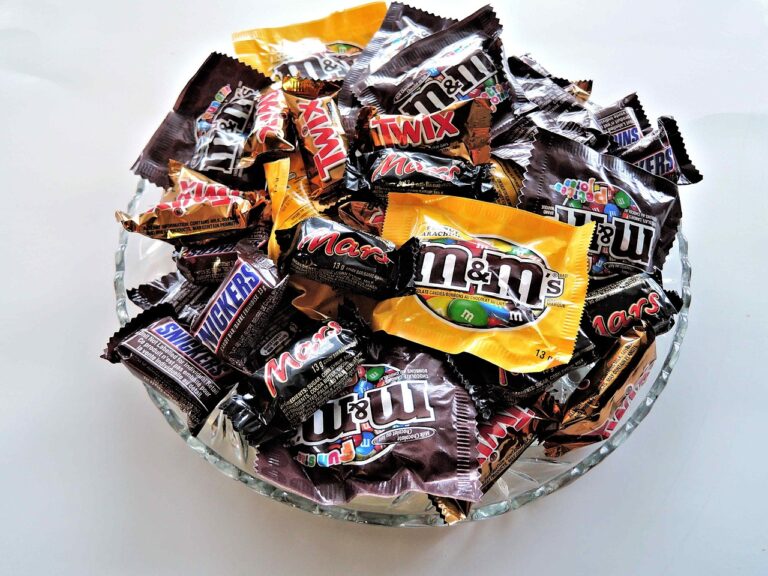
Halloween is synonymous with candy, chocolate, and all sorts of sweet treats. Many parents dread the post-candy chaos, assuming their children’s hyperactivity is a direct result of sugar. But is the infamous “sugar high” real, or is it just a myth? Understanding the science behind sugar, behavior, and excitement can help parents navigate Halloween more calmly.
What Is a Sugar High?
A “sugar high” is the term used to describe a sudden burst of energy and hyperactive behavior that some children display after eating sweets. The idea is that sugar consumption directly stimulates the brain and nervous system, leading to increased energy, restlessness, and even mood swings. While it’s a widely held belief, science paints a different picture.
Several studies have investigated the link between sugar intake and behavior in children. Surprisingly, research consistently shows that sugar does not directly cause hyperactivity. Large clinical studies have found no significant difference in behavior between children who consumed sugar and those who did not. This includes studies examining high doses of sugar in candy, soft drinks, and desserts.
Why Children Act Hyper on Halloween
If sugar isn’t the culprit, why do children often appear energetic or chaotic after a night of candy? Several factors may explain the phenomenon:
- Excitement and novelty: Halloween is an event filled with costumes, decorations, and social interaction, all of which can naturally increase energy levels.
- Expectation effect: Children may anticipate the “sugar rush” or be influenced by adults and peers who expect them to act hyper.
- Environmental stimulation: Bright lights, loud noises, and constant movement contribute to heightened activity.
- Sleep disruption: Late nights trick-or-treating can leave children overtired, which can paradoxically make them appear more energetic or irritable.
In other words, what looks like a sugar-induced hyperactive episode is often a combination of psychological excitement and environmental factors, not the candy itself.
Potential Physical Effects of Excessive Sugar
Although sugar may not directly cause hyperactivity, consuming large amounts can still have temporary physical effects:
- Blood sugar spikes followed by rapid drops can lead to irritability, fatigue, or mood swings.
- Excessive candy can cause stomach discomfort, nausea, or digestive upset.
- High sugar intake can contribute to tooth decay if proper dental care is not maintained.
These effects are short-term and generally resolve with moderation and healthy habits.
How Parents Can Navigate Halloween Candy
Even if the sugar high is largely a myth, parents still want to manage candy consumption and prevent overindulgence. Here are practical strategies:
- Moderation is key: Encourage children to enjoy candy in controlled amounts, ideally after meals.
- Balance sweets with nutrition: Offer fruit, protein, or fiber-rich snacks alongside candy to stabilize energy.
- Hydration matters: Drinking water between treats can help digestion and reduce the perceived intensity of sugar consumption.
- Create a candy schedule: Allow children to enjoy treats throughout the week rather than all at once.
- Lead by example: Parents can model moderation by enjoying sweets in small amounts.
Tips for a Calm Halloween Evening
In addition to managing candy intake, consider these strategies to keep Halloween night manageable:
- Plan for excitement: Prepare kids for the sensory stimulation of Halloween so they know what to expect.
- Set clear expectations: Explain when and how much candy is allowed, and stick to the rules consistently.
- Encourage breaks: Allow kids to rest if they become overstimulated or tired.
- Maintain routines: Try to keep bedtimes and mealtimes as normal as possible to reduce behavioral spikes.
The Bottom Line
The concept of a sugar high is mostly a myth. Children’s post-Halloween energy bursts are typically due to excitement, novelty, and environmental stimulation rather than the sugar itself. That said, candy overload can still cause temporary digestive discomfort, irritability, or a blood sugar crash. By understanding the real reasons behind hyperactive behavior and implementing moderation, routine, and balanced nutrition, parents can enjoy a fun and calm Halloween evening with their children.
Halloween is a time for celebration, creativity, and family memories. Recognizing that sugar alone isn’t the villain allows parents to focus on what really matters: safety, fun, and enjoying the magic of the holiday with a calm and balanced approach.