The holidays bring joy, family gatherings, indulgent meals—and for some, elevated heart risk. You may have heard anecdotes or seen headlines suggesting that heart attacks spike around Thanksgiving, Christmas, and New Year’s Eve. But how much truth is behind those claims? And how does “holiday heart syndrome” fit into all this?
In this article, we’ll dig into the medical research, separate myth from reality, and offer practical steps for protecting your heart during the festive season.
What Is Holiday Heart Syndrome?
Holiday Heart Syndrome (HHS) refers to cardiac arrhythmias, especially atrial fibrillation (AFib), that occur after binge drinking or overindulgence during weekends, vacations, or holiday periods. The term was coined in the late 1970s, when clinicians noticed patients—sometimes with no prior heart disease—developing irregular heart rhythms after heavy alcohol use.
While HHS is most classically linked to alcohol, other contributing factors—such as electrolyte imbalances, dehydration, stress, high salt intake, sleep disruption, and inflammation—can also play a role. In many cases, the arrhythmias are transient and resolve once triggers are removed, though serious complications can occur.
HHS is not, strictly speaking, the same as a heart attack—but because irregular rhythms and hemodynamic stress can exacerbate underlying coronary disease, the conditions are often discussed side by side.
The Evidence: Do Heart Attacks Spike on Holidays?
The Seasonal Pattern
Several epidemiological studies support the idea that fatal heart attacks and cardiac deaths tend to rise during the late December holiday period. The American Heart Association reports that more people die from heart attacks on December 25 than any other day of the year, with December 26 and January 1 also showing elevated numbers. In one classic study (“The Merry Christmas Coronary”), researchers found a significant increase in cardiac deaths associated with the winter holiday period.
A Swedish longitudinal study spanning 16 years observed a 15 % overall increase in heart attacks during the holiday period compared with nonholiday days. Another BMJ analysis found that on Christmas Eve, heart attack risk may rise by about 37 %, especially among older adults or those with comorbidities.
But It’s Not Just Cold Weather or Seasonality
One interesting observation: in New Zealand, where Christmas falls in summer, a 25-year mortality analysis found that heart-related deaths still spiked around Christmas — suggesting that factors beyond cold temperature are at play. That supports the notion that holiday behaviors (stress, indulgence, delay in care) may drive the increase, not just weather.
Moreover, a recent study of ischemic heart disease hospitalizations in New York using advanced time-series methods detected seasonal and periodic peaks in admissions—reinforcing that heart disease events follow patterns, possibly exacerbated during holiday periods.
The Caveats and Confounders
- Modest increases, not overwhelming surges. Some hospitals report a ~5 % increase in heart-related ER visits from Thanksgiving through New Year’s. Other sources cite 4 % or similar bumps. These are real but not astronomic spikes.
- Delayed care and “death displacement.” Some theorize that patients delay seeking care during holidays (not wanting to disrupt celebrations), which worsens outcomes. Others propose a “displacement” effect: some deaths are delayed so they coincide with holidays (emotional or psychosocial factors).
- Underlying disease burden. Most individuals who suffer heart attacks already harbor coronary artery disease, hypertension, diabetes, or other risk factors. Holidays may act as the “last straw” on already weakened vessels.
- Reporting and statistical “noise.” Retrospective designs, self-reported triggers (alcohol, diet), and variations in public health reporting can muddy causation.
So, yes — there is credible evidence of an increased relative risk of heart attacks and cardiac deaths during holiday periods. But the magnitude is moderate, and holidays are likely a trigger, not the root cause.
How Holiday Behaviors Could Trigger Heart Events
Here are key holiday-related triggers that may push vulnerable hearts over the edge:
1. Overeating, Rich Foods, and High Salt
Heavy meals rich in saturated fat, salt, and refined carbs raise blood pressure, induce oxidative stress, provoke inflammation, and increase platelet activity—creating a pro-thrombotic state. Acute overindulgence may trigger plaque rupture in coronary arteries already burdened by atherosclerosis.
2. Alcohol Bingeing and Arrhythmia (Holiday Heart Syndrome)
Large doses of alcohol disturb autonomic regulation, electrolyte balance, and electrical conduction in the heart. They shorten the atrial refractory period and make the heart more susceptible to arrhythmias such as atrial fibrillation. Up to 5–10 % of atrial fibrillation episodes may relate to HHS. Arrhythmia can compromise cardiac output and precipitate ischemia in susceptible patients.
3. Stress, Emotional Strain, and Hormones
Holiday stress—from finances, travel hurdles, family tension—results in surges in catecholamines (adrenaline, cortisol), which raise heart rate and blood pressure and can destabilize plaques. Emotional stress has been linked to acute cardiac events in other settings (e.g. “broken heart syndrome”).
4. Cold Exposure & Physical Stress
In colder climates, holiday season often coincides with lower temperatures, which cause vasoconstriction and increased blood pressure. Tasks like shoveling snow are strong triggers of cardiac events.
5. Interrupted Routine: Disrupted Sleep, Medication Lapses, Sedentary Behavior
Late nights, travel, missing doses of critical medications (blood pressure drugs, anticoagulants, statins), and sedentary rest days can worsen cardiac risk. In heart failure, excess salt or fluid shifts can precipitate decompensation.
6. Delay in Seeking Care
Some people delay responding to chest discomfort or alarming symptoms because they don’t want to interrupt holiday celebrations. That delayed window increases risk of fatal outcomes.
So, Do Heart Attacks Really Spike on Thanksgiving/Christmas?
Yes — the preponderance of data supports a modest but real increase in cardiac events (especially fatal heart attacks) during late December. The mechanism is likely multifactorial: holiday behaviors act as triggers on top of preexisting cardiovascular risk. The spike is not so dramatic as to imply holidays cause heart disease de novo — they push compromised systems over the edge.
However, one should not overinterpret the statistics. The increases are relative, not overwhelming. Moreover, the term “holiday heart syndrome” appropriately describes arrhythmia episodes triggered by behaviors (e.g. binge drinking), which is one slice of the broader cardiac stress picture. The link between arrhythmia and full-blown myocardial infarction is indirect but biologically plausible in vulnerable individuals.
Prevention & Heart-Smart Tips for the Holidays
With awareness and prudence, you can enjoy the holidays while reducing your cardiac risk. Here are practical strategies:
- Moderate alcohol intake. Pace drinks, alternate with water, eat while drinking, and avoid binge patterns.
- Watch portion size and salt. Choose vegetable-forward dishes, limit heavy creams/sauces, and moderate sodium in sides and snacks. Try lighter cooking techniques.
- Maintain routine medications. Refill early, set reminders, and never skip essential heart or blood pressure meds.
- Stay physically active. Even 10–15 minute walks after meals or light indoor movement helps.
- Manage stress. Practice breathing, mindfulness, delegate tasks, limit financial overspending, and set boundaries on family demands.
- Get adequate sleep. Aim for 7 hours or more; avoid sacrificing sleep for party planning.
- Dress warmly, avoid overexertion. In cold weather, layer up; for chores like snow removal, recruit help.
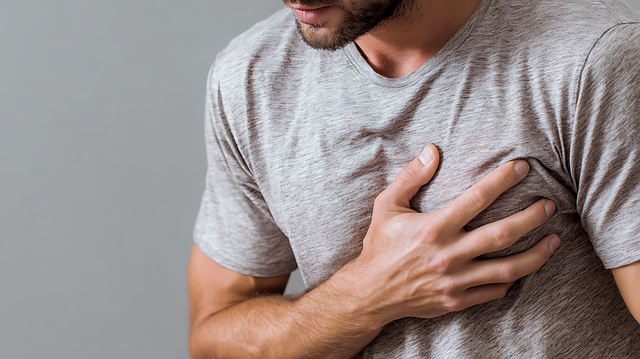
- Recognize symptoms early. Chest pain, pressure, shortness of breath, nausea, lightheadedness, cold sweats — don’t dismiss. Call 911 right away.
- Learn CPR. Family gatherings are good times to offer lifesaving support to one another.
Holiday Heart Syndrome is a well-recognized phenomenon of arrhythmia triggered by holiday excess, especially alcohol. Meanwhile, multiple studies suggest that heart attacks and cardiac deaths do modestly increase around Thanksgiving-to-New Year’s, particularly in the December window. Though these increases don’t imply the holidays “cause” heart disease, they do uncover critical vulnerabilities.
Understanding the triggers and adopting protective habits can allow you to enjoy the season and safeguard your heart. The best gift? A peaceful, healthy celebration with loved ones.