Advanced kidney cancer, also called advanced renal cell carcinoma (aRCC), occurs when cancer spreads beyond the kidney to nearby tissues, lymph nodes, or distant organs. While the diagnosis can feel overwhelming, treatment options have grown in recent years, giving patients more choices and hope for longer, healthier lives. One key category of treatment is oral therapies, which are medications taken by mouth that target cancer growth. This article explores what oral treatments are, how they work, what patients can expect, and tips for managing daily life during treatment.
Understanding Oral Treatments
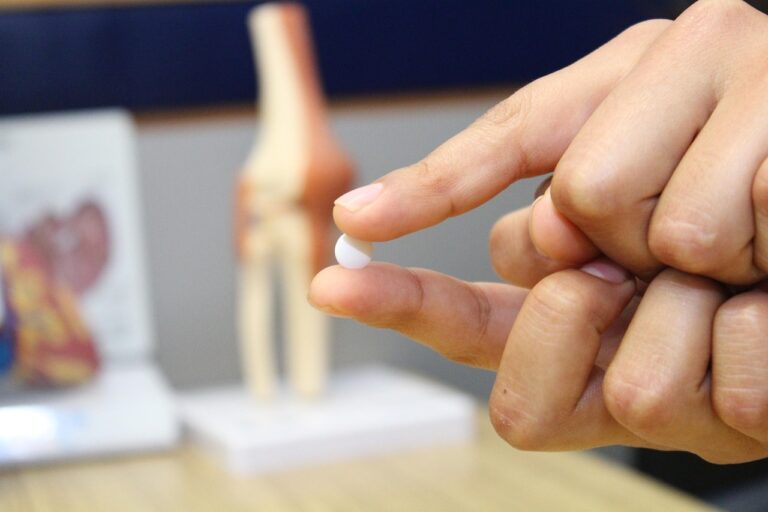
Oral therapies are different from traditional chemotherapy or intravenous immunotherapy because they are taken at home in pill form. They work by targeting specific pathways that cancer cells use to grow and spread. Unlike treatments delivered in a clinic, oral medications give patients flexibility and the ability to manage therapy within their daily routines.
There are different types of oral therapies for advanced kidney cancer. Some work by blocking the blood supply tumors need to grow, while others target proteins that help cancer cells survive. The goal is to slow tumor progression, improve survival, and sometimes shrink tumors. Oral treatments are often part of a broader treatment plan that may include immunotherapy, combination therapies, or other targeted approaches.
How Oral Treatments Work
Cancer cells grow and divide uncontrollably, relying on specific signals and pathways. Oral targeted therapies interfere with these signals. For example:
- Blocking tumor blood supply: Tumors need nutrients and oxygen from blood vessels to grow. Certain oral therapies prevent new blood vessels from forming, effectively “starving” the tumor.
- Inhibiting cancer cell proteins: Some oral drugs interfere with proteins that allow cancer cells to divide or repair themselves. By blocking these pathways, the therapy slows tumor growth or triggers cell death.
Oral treatments do not cure advanced kidney cancer, but they can significantly control disease progression, reduce tumor size in some cases, and improve quality of life.
Advantages of Oral Treatments
Oral therapies offer several benefits compared with other types of treatments:
- Convenience: Patients can take pills at home, reducing trips to a clinic or infusion center.
- Flexible scheduling: Oral therapies usually follow a daily schedule, often on an empty stomach or at a specific time, which can be easier to fit into a routine.
- Combination options: Oral therapies can be combined with other treatments, such as immunotherapy infusions, to improve outcomes.
- Targeted action: Because they focus on specific cancer pathways, oral treatments may cause fewer overall side effects compared with traditional chemotherapy, though side effects can still occur.
What to Expect During Treatment
Oral therapies require consistency and careful management. Patients are typically instructed to take their medication at the same time every day, often on an empty stomach, to ensure proper absorption. Missing doses can reduce effectiveness, so adherence is critical.
Treatment schedules may vary: some therapies are taken daily without breaks, while others follow a cycle that includes rest days. Regular monitoring through blood tests and imaging helps doctors assess how well the therapy is working and adjust doses if needed.
Managing Side Effects
Like all cancer treatments, oral therapies can cause side effects. Knowing what to expect and how to manage symptoms can make a significant difference in daily life. Common side effects include:
- Fatigue: Many patients report feeling tired or low on energy. Short naps, pacing daily activities, and prioritizing important tasks can help manage fatigue.
- Gastrointestinal issues: Diarrhea, nausea, or mouth sores can occur. Staying hydrated, eating small frequent meals, and avoiding spicy or greasy foods may reduce discomfort.
- High blood pressure: Some oral therapies can increase blood pressure. Regular monitoring and medication adjustments, as recommended by a doctor, are important.
- Skin reactions: Hand-foot syndrome—redness, swelling, or tenderness on the hands and feet—can develop. Moisturizers, avoiding tight shoes, and protecting the skin can help.
Patients should always report severe or unusual side effects to their care team. Early intervention can prevent complications and keep treatment on track.
Tips for Daily Life on Oral Therapy
Managing an oral treatment schedule alongside daily life can be challenging, but practical strategies can help:
- Set reminders: Use phone alarms, pill organizers, or calendars to remember doses.
- Keep a treatment journal: Track medication intake, side effects, and symptoms to share with your healthcare team.
- Plan meals and hydration: Some medications must be taken on an empty stomach; planning your day around medication times can help.
- Communicate with your care team: Regular check-ins with doctors, nurses, or pharmacists ensure side effects are managed and treatment remains effective.
- Support mental health: Managing a chronic condition can be stressful. Counseling, support groups, and mindfulness practices can reduce anxiety and improve overall well-being.
Combining Oral Therapy with Other Treatments
Oral therapies are sometimes used alongside other cancer treatments for greater effectiveness. For example:
- Immunotherapy: Drugs that help the immune system recognize and attack cancer cells.
- Combination therapy: Using two or more medications, sometimes including oral drugs, to slow tumor growth more effectively.
Combination treatments can improve outcomes but may increase the risk of side effects, making careful monitoring essential. Decisions about combination therapy should always involve detailed discussions with your oncology team.
Nutrition and Lifestyle Considerations
A healthy lifestyle supports both treatment and overall quality of life. Key tips include:
- Balanced diet: Lean proteins, whole grains, fruits, and vegetables provide energy and essential nutrients.
- Hydration: Adequate water intake supports kidney function and helps manage side effects.
- Moderate exercise: Activities like walking or stretching help maintain strength and reduce fatigue.
- Avoiding alcohol and tobacco: Both can interfere with treatment effectiveness and overall health.
Staying Informed and Engaged
Being an active participant in your care improves outcomes. Patients should:
- Ask questions about treatment options and potential side effects.
- Keep up with follow-up appointments and imaging tests.
- Discuss any lifestyle changes with the healthcare team.
- Explore patient support networks and educational resources for advanced kidney cancer.
Knowledge empowers patients to make informed decisions and maintain control over their treatment journey.
Hope and Research
Research in advanced kidney cancer is rapidly evolving. Clinical trials are testing new oral therapies, combination treatments, and personalized approaches based on genetic markers. Participation in a trial may provide access to promising treatments before they are widely available. Advances in research continue to improve survival rates and quality of life for people living with aRCC.
Oral therapies have transformed the treatment landscape for advanced kidney cancer, offering convenience, flexibility, and targeted action against tumors. While side effects are possible, proper management and close communication with your healthcare team make it possible to maintain daily routines and overall well-being. Coupled with lifestyle strategies, mental health support, and ongoing research, oral treatments give patients hope and more control over their journey with aRCC.