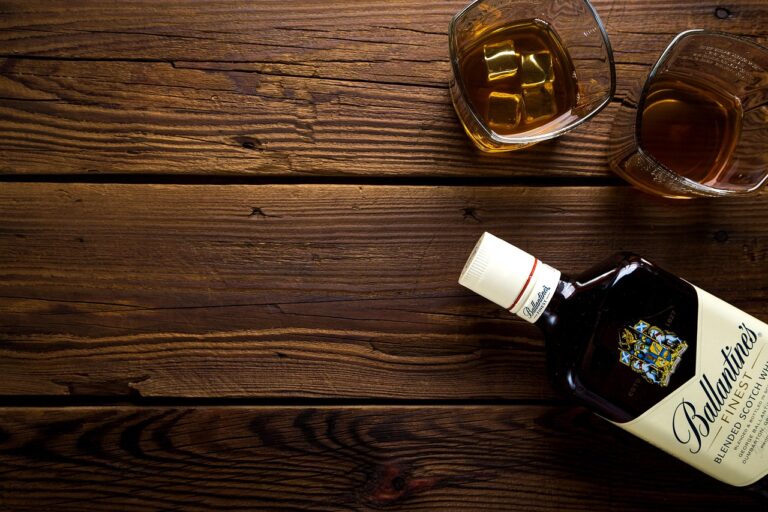
For the first time in nearly a century, drinking alcohol is no longer the norm for most adults in the U.S. Only about 54% of Americans now say they drink, marking an 86-year low in alcohol consumption. That’s a quiet but significant cultural shift—and it’s happening for reasons that go far beyond New Year’s resolutions or dry-month challenges.
From growing health concerns to changing social habits, Americans drinking less alcohol reflects a deeper rethink of what people want from their bodies, their money, and their everyday lives.
A Historic Drop That Snuck Up on Us
Alcohol has long been woven into American culture—celebrations, stress relief, socializing, even networking. That’s why this moment is so striking. According to long-running national surveys, drinking rates have steadily declined, landing at their lowest point since the late 1930s.
What’s notable is how gradual and widespread the change has been. This isn’t a sudden backlash or moral movement. It’s more like a collective recalibration—people quietly deciding that alcohol plays a smaller role in their lives than it once did.
You might notice it at dinner parties with more mocktails on the table, or friends opting out without explanation. Fewer raised eyebrows. Less pressure. More choice.
Health Awareness Is Changing the Conversation
One of the biggest drivers behind Americans drinking less alcohol is a growing awareness of its health risks—especially cancer.
Major health authorities, including the World Health Organization, have stated that no amount of alcohol is considered completely safe when it comes to cancer risk. Over time, that message has started to land. More than half of Americans now believe that even moderate drinking can be unhealthy.
This doesn’t mean people are suddenly panicking over the occasional glass of wine. Instead, many are reassessing habits they once assumed were harmless.
For everyday readers, the takeaway is simple:
Alcohol isn’t being reclassified as “forbidden,” but it is being seen more clearly. With better information, people are making more intentional choices—and often choosing less.
Younger Generations Are Leading the Shift
If there’s one group reshaping drinking culture, it’s younger adults.
Gen Z and Millennials drink significantly less alcohol than older generations did at the same age. For many, wellness, mental clarity, and long-term health matter more than getting buzzed. Being sober—or just drinking less—is no longer seen as boring or antisocial.
What’s also changed is social pressure. Younger people are more comfortable saying no without offering a reason. That shift has rippled outward, making it easier for everyone else to follow suit.
Parents, older adults, and even longtime social drinkers often find relief in this new norm. When fewer people expect you to drink, it’s easier to listen to what your body actually wants.
Alcohol Got More Expensive—and Less Appealing
There’s also a practical side to this story: alcohol costs more.
With inflation affecting everything from groceries to rent, many Americans are cutting back on non-essentials. Alcohol, once a casual add-on, now feels like a luxury—especially for younger adults balancing tight budgets.
At the same time, people are weighing cost against payoff. The math has changed.
- A pricey night out
- Interrupted sleep
- Next-day anxiety or fatigue
For many, it simply doesn’t feel worth it anymore.
This ties into a broader mental health awareness. More Americans are recognizing how alcohol can worsen anxiety, disrupt sleep, and amplify low moods. Drinking less often brings noticeable benefits—clearer mornings, steadier emotions, and more energy.
If Not Alcohol, Then What?
Americans aren’t giving up relaxation or social rituals—they’re just choosing different tools.
The rise of non-alcoholic beers, zero-proof cocktails, and functional beverages has made it easier to participate without drinking. These options look and feel familiar, minus the alcohol.
Cannabis has also entered the picture in states where it’s legal, offering an alternative way for some adults to unwind. While not without its own considerations, its increased availability has changed the landscape of how people relax.
The bigger point is this:
People still want to connect, celebrate, and decompress. Alcohol just isn’t the default anymore.
The Pandemic Changed Social Habits for Good
COVID reshaped daily life in ways that continue to linger, including how and how often people socialize.
Large gatherings became less frequent. Home-based routines took hold. Drinking tied to commuting, office happy hours, or packed weekends naturally declined—and many people didn’t return to old patterns.
What emerged instead was more intentional socializing. When people do get together, alcohol doesn’t have to be the centerpiece. That shift has helped normalize drinking less without making it a “thing.”
Researchers suggest these changes aren’t temporary. Combined with generational attitudes and health awareness, they point to a long-term transformation in consumer behavior.
What This Means for Everyday Life
For most Americans, drinking less alcohol doesn’t mean quitting entirely. It means fewer drinks, fewer days, and fewer expectations.
It means:
- Ordering what you actually want
- Feeling less pressure to explain yourself
- Prioritizing sleep, health, or budget without judgment
Most of all, it means having more control.
As Americans drinking less alcohol becomes the norm rather than the exception, the cultural script is changing. And for many people, that change feels quietly liberating.