

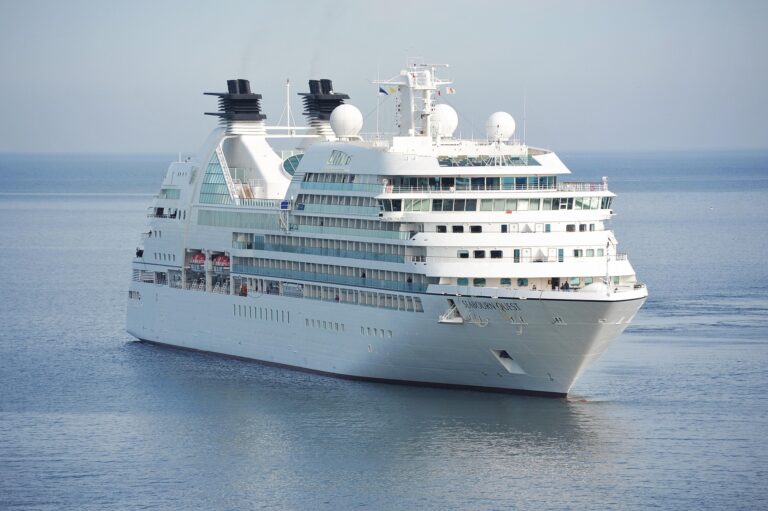
Cruise ships are designed for comfort and connection. Thousands of passengers share dining halls, theaters, pools, and hallways for days or weeks at a time. It’s part of the appeal. But it also creates an environment where illnesses—especially rare ones—can spread in ways most travelers don’t think about.
That reality is now front and center after health officials confirmed a deadly outbreak of Hantavirus aboard a cruise ship, marking an unusual and alarming incident for the global travel industry.
A Rare Virus in an Unusual Setting
Hantavirus isn’t something most travelers worry about. It’s not like the flu or COVID. In fact, it’s relatively rare in the United States and typically associated with rural environments—not luxury travel.
The virus is primarily spread through contact with infected rodents, particularly through their droppings, urine, or saliva. In most cases, people are exposed when disturbing contaminated dust in enclosed spaces.
That’s what makes this outbreak so unusual.
Cruise ships are highly regulated environments with strict sanitation protocols. But they are also complex ecosystems—cargo loading areas, food storage zones, and hidden service corridors all present potential vulnerabilities. Investigators are now working to determine exactly how exposure occurred onboard.
How Serious Is Hantavirus?
When it hits, it can be severe.
Hantavirus can cause a condition known as Hantavirus Pulmonary Syndrome (HPS), which starts with flu-like symptoms—fever, fatigue, muscle aches—but can rapidly escalate into serious respiratory distress.
In its most severe form, the disease can be fatal.
The reported deaths from this outbreak underscore just how dangerous it can be when not caught early or when exposure levels are high.
Why Cruise Ships Amplify Risk
If you’ve taken a cruise—as you just did—you’ve seen it firsthand. You’re rarely alone.
Passengers share:
- Dining spaces with hundreds at a time
- Tight theater seating
- Elevators and narrow corridors
- Multi-day exposure to the same environment
That doesn’t create viruses—but it can accelerate their impact once they’re introduced.
Even though Hantavirus isn’t typically spread person-to-person, the shared environment increases the likelihood that multiple people could be exposed to the same source before it’s identified.
What Travelers Should Actually Worry About
This is where it’s easy to overreact—and not helpful.
Hantavirus outbreaks on cruise ships are extremely rare. This is not something that suddenly makes cruising broadly unsafe. But it does highlight a bigger truth about travel:
You’re entering a shared ecosystem you don’t control.
More common cruise-related illnesses include:
- Norovirus (the most frequent culprit)
- Respiratory infections
- Foodborne illnesses
This case stands out because of its severity, not its frequency.
Practical Takeaways for Future Cruises
You don’t need to cancel your next trip. But you should travel smarter.
A few grounded precautions:
- Wash your hands more often than you think you need to
- Avoid touching your face in high-traffic areas
- Be mindful in buffet-style dining settings
- Report unusual symptoms early—don’t “wait it out”
- Pay attention to sanitation notices or alerts onboard
And one that’s often overlooked: stay aware of your surroundings. If something feels off—unclean areas, pest concerns, unusual closures—take it seriously.
The Bigger Picture
Cruising remains one of the most popular forms of travel for a reason. It’s efficient, social, and packed with value. But events like this serve as a reminder that convenience comes with trade-offs.
When thousands of people live together in a confined space, even rare risks can become real ones.
For now, health officials continue to investigate how this outbreak occurred and whether additional cases may emerge. Cruise operators, meanwhile, will likely face increased scrutiny around sanitation and safety protocols in the weeks ahead.