Thanksgiving is a time to celebrate family, gratitude, and, let’s be honest, food. From buttery mashed potatoes to creamy casseroles and endless pie options, the holiday table is loaded with comfort — and calories. But some traditional dishes deliver surprising health benefits, while others are better enjoyed in moderation.
Nutrition experts say you don’t need to skip your favorites — just know which ones to pile on your plate and which to keep in smaller portions. Here’s a look at the best and worst Thanksgiving foods for your body, according to science.
The Healthiest Thanksgiving Dishes
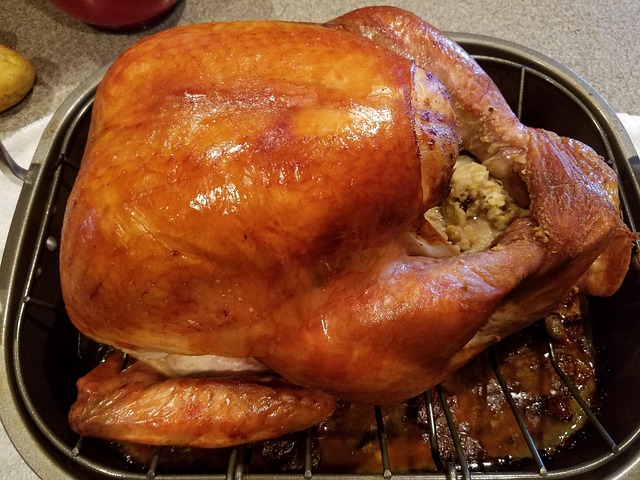
1. Roasted Turkey (Without the Skin)
Lean, protein-rich, and satisfying, turkey tops the list when it’s prepared simply.
- Packed with high-quality protein, which helps stabilize blood sugar
- Contains vitamins B6 and B12, crucial for energy metabolism and brain function
- Remove the skin to cut out excess saturated fat and calories
Pro tip: Roast or bake the bird rather than deep-frying it, and skip butter injections — olive oil and herbs do the job beautifully.
2. Roasted Vegetables
Colorful roasted vegetables like carrots, Brussels sprouts, and sweet potatoes are packed with antioxidants, fiber, and flavor.
- Roasting brings out natural sweetness without added sugar
- High in vitamin A, potassium, and fiber
- Support digestion and fullness, helping prevent overeating
Pro tip: Toss veggies in olive oil and herbs instead of heavy sauces.
3. Cranberry Sauce (Made from Scratch)
Cranberries are antioxidant powerhouses, but canned sauces are loaded with sugar. Homemade versions are a simple and healthier swap.
- Rich in polyphenols that may reduce inflammation
- Can support urinary tract health
- Homemade versions let you control the sugar content
Pro tip: Sweeten with orange juice, honey, or a touch of maple syrup instead of refined sugar.
4. Pumpkin Pie (Yes, Really)
A slice of pumpkin pie can actually be one of the lighter desserts on the table — especially if you keep portions in check.
- Pumpkin provides beta-carotene, which supports eye and immune health
- Moderate sugar compared to pecan or chocolate pie
- Easily lightened up by using less sugar and low-fat milk
Pro tip: Skip the whipped cream mountain and enjoy the natural pumpkin spice flavor.
The Least Healthy Thanksgiving Dishes
1. Green Bean Casserole
It’s a staple, but nutrition experts say the traditional version is more indulgent than it appears.
- Cream of mushroom soup adds sodium and saturated fat
- Fried onions create a calorie bomb topping
- Often low in actual green beans per serving
Healthier swap: Use fresh beans, sautéed mushrooms, and a sprinkle of almonds for crunch.
2. Candied Yams
Sweet potatoes are naturally nutritious, but when drowned in brown sugar, butter, and marshmallows, they lose their healthy edge.
- One serving can exceed 400 calories and 40 grams of sugar
- High sugar spikes energy then leads to a crash
- Overpowers the vegetable’s natural sweetness
Healthier swap: Roast sweet potatoes with cinnamon and a drizzle of maple syrup.
3. Stuffing (Traditional Bread-Based)
Stuffing might be delicious, but it’s a carbohydrate overload with minimal nutrients.
- Typically high in white bread, butter, and sodium
- Can exceed 500 calories per serving
- Lacks fiber and protein
Healthier swap: Try a wild rice or quinoa-based version with apples, celery, and herbs.
4. Pecan Pie
It’s deliciously rich, but it ranks near the top for sugar and calories.
- Often contains corn syrup and butter in large amounts
- A single slice can pack 500–700 calories
- Minimal nutritional value beyond the nuts
Healthier swap: Serve smaller portions or opt for pumpkin or apple pie instead.
Middle-of-the-Road Favorites
Not every Thanksgiving dish is all good or all bad. Some fall in the middle — it’s all about portion control and preparation.
- Mashed Potatoes: Great source of potassium, but heavy on butter and cream. Use olive oil or Greek yogurt instead.
- Gravy: Adds flavor but can skyrocket sodium intake. Go easy on the pour or make your own using low-sodium broth.
- Dinner Rolls: Fine in moderation. Choose whole grain rolls to add fiber and nutrients.
How to Build a Balanced Thanksgiving Plate
Nutrition experts recommend thinking of your plate in sections:
- ½ vegetables and salad — fiber and antioxidants
- ¼ lean protein — turkey, chicken, or plant-based proteins
- ¼ carbs — potatoes, stuffing, or a small serving of pie
Add water between servings, go slow, and listen to your body’s cues for fullness.
The Bottom Line
Thanksgiving isn’t the time to count every calorie — it’s about celebration and connection. But knowing which dishes nourish your body (and which ones push it past comfort) helps you enjoy the day without guilt or regret.
So go ahead and savor that slice of pie — just remember that balance, not restriction, is the real secret ingredient to a healthy holiday.