The Holidays bring families together around the dinner table, but for millions of Americans, it can also bring anxiety — especially for those managing food allergies or intolerances. Between secret ingredients in casseroles and cross-contamination in the kitchen, a simple holiday meal can become a minefield. Fortunately, with some planning, communication, and awareness, it’s possible to make the holiday safe and enjoyable for everyone.
Why Food Allergies Are So Common — and So Serious
Food allergies occur when the immune system mistakes certain foods as harmful, triggering reactions that can range from mild itching to life-threatening anaphylaxis. The eight most common culprits are:
- Milk
- Eggs
- Peanuts
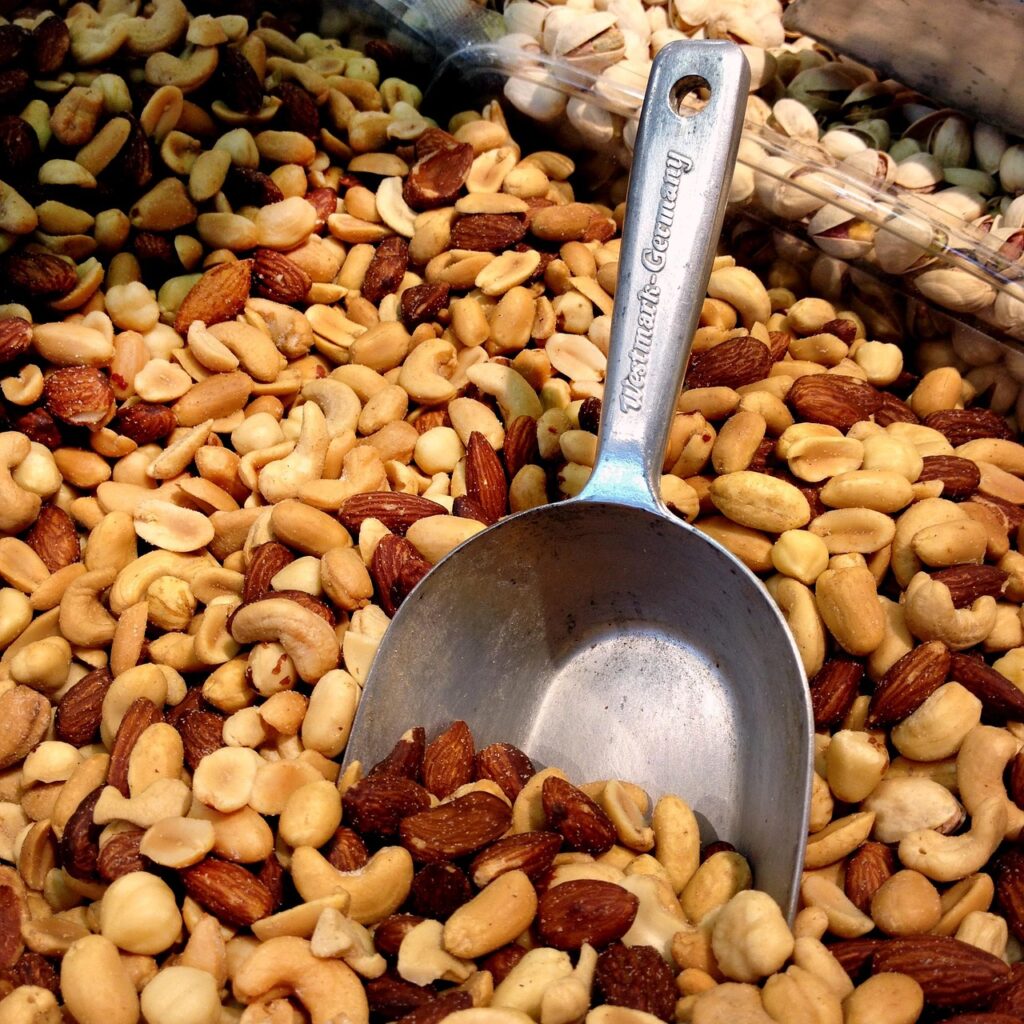
- Tree nuts
- Soy
- Wheat
- Fish
- Shellfish
Even trace amounts can trigger reactions in sensitive individuals. For people with intolerances — like lactose or gluten — the effects may not be life-threatening but can still cause discomfort, fatigue, and digestive distress.
According to the CDC, about 1 in 10 adults and 1 in 13 children in the U.S. have food allergies. That means it’s highly likely at least one person at your Thanksgiving table needs some extra care.
Communication Is the First Ingredient
The most important step for a safe holiday meal starts before the cooking even begins: talk about it.
- Hosts should ask guests in advance about any allergies or dietary restrictions.
- Guests should communicate clearly what they need to avoid and how serious their reactions can be.
- Transparency is key. Labeling dishes, sharing ingredient lists, or preparing one or two “safe” options helps reduce stress for everyone.
If you’re attending dinner as a guest with allergies, it’s perfectly acceptable to bring your own dish or snack to ensure you’ll have something safe to enjoy.
Cross-Contamination: The Hidden Danger in the Kitchen
Even when allergens aren’t an intentional ingredient, they can sneak in through cross-contamination. This happens when utensils, surfaces, or ingredients that have come in contact with an allergen touch other foods.
To minimize risk:
- Use separate cutting boards, knives, and spoons for allergen-free foods.
- Wash hands, counters, and cookware thoroughly between uses.
- Store allergen-free dishes in separate containers with clear labeling.
- Prepare allergy-safe dishes first and cover them until serving time.
It might feel like extra work, but these precautions can prevent a serious reaction.
Navigating Common Holiday Dinner Triggers
Several holiday staples contain hidden allergens. Here’s where to be especially cautious:
- Stuffing: May contain wheat, nuts, and dairy from butter or broth.
- Gravy: Usually thickened with flour and sometimes includes milk or butter.
- Casseroles: Often topped with breadcrumbs, cheese, or fried onions made with wheat.
- Pies and desserts: Common sources of nuts, eggs, and dairy.
- Mashed potatoes: Can include butter, cream, or cheese unless made dairy-free.
Simple swaps can make a big difference. Use olive oil instead of butter, gluten-free bread for stuffing, and oat or almond milk in mashed potatoes.
Hosting a Safe Dinner for Everyone
Whether you’re cooking for a family member with a severe allergy or just want to be considerate, these strategies help keep your celebration inclusive and stress-free.
- Create a separate “allergy-safe” section on the table for clearly labeled dishes.
- Ask guests to keep packaging or ingredient lists available in case someone needs to check.
- Designate one person to handle allergen-free foods, so utensils don’t get mixed up.
- Avoid nuts entirely if anyone at the table is allergic — even trace exposure can cause problems.
Most importantly, let everyone know that their safety and comfort matter. People with food allergies often feel self-conscious or burdensome, but small gestures of understanding can make them feel included and cared for.
What to Do If a Reaction Happens
Even with the best preparation, accidents can occur. If someone starts showing symptoms — hives, swelling, wheezing, or dizziness — act quickly.
- Use an epinephrine auto-injector immediately if anaphylaxis is suspected.
- Call 911 even after administering epinephrine.
- Stay calm and keep the person seated or lying down until help arrives.
Every minute counts in a severe reaction, so don’t hesitate to respond.
How Food Sensitivities Differ
Not all food-related problems are allergies. Many people experience sensitivities or intolerances, which don’t involve the immune system but can still cause bloating, headaches, or fatigue. Common examples include lactose intolerance or gluten sensitivity.
For these guests:
- Offer dairy-free options like mashed potatoes made with oat milk.
- Serve gluten-free sides, such as roasted vegetables or rice-based dishes.
- Avoid hidden triggers like soy sauce or cream-based soups.
These adjustments make a big difference for guests who want to enjoy the meal without discomfort.
Gratitude, Generosity, and Inclusion
The holidays are about connection and gratitude — and what better way to express that than by making sure everyone at your table feels welcome and safe? When hosts and guests communicate openly, plan thoughtfully, and practice empathy, no one has to sit out the celebration.
A few ingredient swaps and mindful choices can transform your holiday table into a space where everyone can relax, eat confidently, and share in what the day is really about: giving thanks together.