
A Shot of Hope: What Scientists Are Seeing
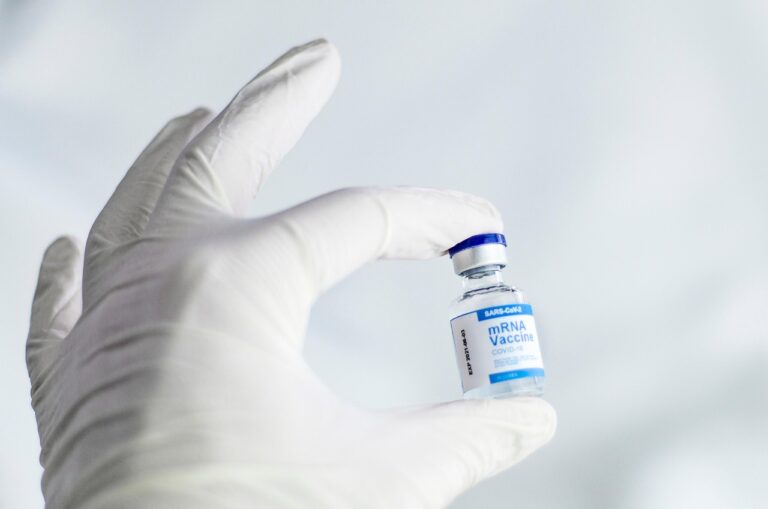
When scientists first developed the mRNA COVID vaccines, their goal was simple but urgent: stop a deadly virus. Yet new evidence suggests these shots may be doing something more extraordinary. In a growing number of cancer patients, researchers are observing signs that mRNA COVID vaccines—like those from Pfizer-BioNTech and Moderna—could also help the immune system fight tumors.
It sounds almost too good to be true. But data from large, real-world studies show that people with cancer who received an mRNA COVID vaccine lived longer, on average, than similar patients who didn’t. Though early and not yet conclusive, this finding has researchers rethinking what these vaccines might be capable of—and how mRNA technology could reshape the future of cancer care.
What the New Research Found
The story began when oncologists noticed an unexpected pattern. Among cancer patients undergoing immunotherapy—treatments that train the immune system to attack tumors—those who also received mRNA COVID vaccines seemed to have better outcomes.
A new analysis published in Nature confirmed that pattern. Scientists examined medical data from thousands of patients with melanoma, lung cancer, and other malignancies who had received checkpoint inhibitors, a common type of immunotherapy. Patients who had been vaccinated with an mRNA COVID shot within roughly 100 days of their cancer treatment were more likely to be alive a year later compared to those who hadn’t been vaccinated.
Other types of vaccines, like flu shots or traditional protein-based COVID vaccines, didn’t show the same survival advantage. That difference caught researchers’ attention.
“The mRNA platform may be doing something unique in how it activates the immune system,” researchers told AP News. “It seems to create a stronger immune ‘wake-up call,’ which might complement cancer immunotherapy in unexpected ways.”
While the study didn’t prove causation, the results were striking enough to warrant follow-up trials.
How It Might Work Inside the Body
At its core, an mRNA vaccine works by delivering a piece of genetic code that teaches cells to make a harmless version of a viral protein—in this case, the coronavirus spike. That small training session helps the immune system recognize and attack the real virus if it shows up later.
But scientists have long wondered whether this same immune “boot camp” effect could extend to other threats—like cancer. When the immune system gets a strong jolt, it doesn’t just produce antibodies; it also revs up T cells, the same type of immune cells that can recognize and destroy cancerous tissue.
According to the researchers, mRNA vaccines might act like a “biological alarm bell,” triggering the release of interferons, powerful signaling molecules that help immune cells swarm to tumors. This could explain why vaccinated patients undergoing checkpoint inhibitor therapy—a drug that removes immune “brakes”—saw more durable tumor control.
In animal studies, combining mRNA vaccines with cancer immunotherapy has already led to smaller tumors and longer survival. Now, human data are beginning to suggest a similar possibility.
What Experts Say (and What They Don’t Yet Know)
As exciting as the results appear, experts emphasize a key caveat: this was a retrospective study, meaning it looked back at existing data rather than testing the effect in a controlled trial. That means scientists can’t yet say the vaccines caused the improved survival—only that a strong association exists.
Still, the findings fit neatly into what researchers already know about the immune system. “It’s biologically plausible that a vaccine designed to stimulate immune responses could enhance anti-tumor activity,” said Dr. Stephen Schoenberger, an immunologist not involved in the study, in an interview with PBS NewsHour. “But we need randomized, prospective trials to confirm it.”
Several such trials are already in progress. Pfizer and Moderna, which pioneered the mRNA platform, are both testing personalized mRNA cancer vaccines that teach the immune system to recognize tumor-specific mutations. Early data from those trials show promise—especially for melanoma patients—but they remain in experimental stages.
For now, experts caution that this isn’t a reason for cancer patients to rush into new vaccine combinations on their own. Instead, it’s a reminder of how interconnected the immune system truly is—and how tools developed for infectious diseases could find surprising new life in oncology.
What This Could Mean for You
So what should you take away from this research if you’re not in a lab—or a clinical trial? First, that getting your seasonal COVID vaccine remains one of the best ways to protect yourself and your community from severe illness. And second, it may carry an unexpected side benefit: boosting the same immune defenses that fight cancer.
For people living with cancer or receiving treatment, vaccination remains safe and often recommended. Oncologists typically advise coordinating the timing of shots with therapy schedules to avoid overlap with treatment side effects. While no one should expect a vaccine to double as a cancer cure, this growing body of evidence adds a hopeful new dimension to the discussion.
More broadly, the research underscores the flexibility of mRNA technology, which can be customized to teach the immune system to target nearly anything—from viruses to tumors to chronic infections. Scientists envision a near future where the same method used to create COVID shots could help prevent or treat cancers of the lung, skin, pancreas, and beyond.
In the words of one researcher quoted by AP News, “We built these vaccines to fight one global threat—and they may help us fight another.”
A New Chapter for mRNA Science
Just a few years ago, mRNA vaccines were an untested idea. Then came the pandemic, and billions of doses later, they’ve become a cornerstone of modern medicine. Now, evidence is emerging that their power doesn’t stop at preventing viral infection.
The new studies don’t mean COVID vaccines are cancer treatments. But they hint at a powerful synergy: the same spark that primes the immune system against viruses might also help it recognize and destroy rogue cells hiding in plain sight.
As new trials unfold, scientists hope to clarify when and how to harness that synergy safely and effectively. If the promise holds, mRNA technology could soon represent more than just a pandemic breakthrough—it could mark the start of a new era in cancer immunotherapy.
So as vaccination season rolls around again, the message is simple: protect yourself, protect others—and maybe, just maybe, give your immune system a little extra power to do what it does best.