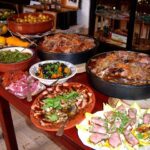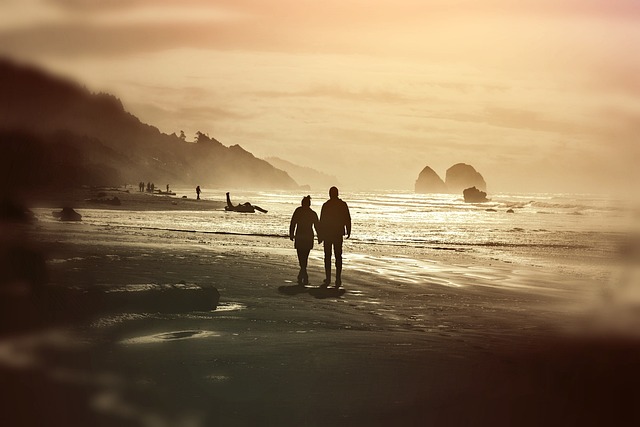
Thanksgiving is synonymous with big meals, family gatherings, and a sense of gratitude. But for many, it also comes with the familiar post-dinner slump — that sluggish, overly full feeling that makes the couch irresistible. While it’s tempting to curl up for a nap, there’s a better tradition you can start this year: a family walk after dinner. Not only does it help digestion, but it also supports physical health, mental wellbeing, and family connection.
The Science Behind Post-Meal Movement
After a large meal, blood flow shifts toward your digestive system to help process food. This can leave other parts of the body, including the brain, feeling slightly sluggish. A light walk after eating can:
- Aid digestion: Gentle movement encourages stomach muscles to move food along, reducing bloating and discomfort.
- Stabilize blood sugar: Walking helps regulate glucose levels after a carbohydrate-heavy meal, which can prevent sudden spikes and crashes in energy.
- Boost metabolism: Even a short walk can slightly increase calorie expenditure, helping your body manage a rich feast.
Experts emphasize that the walk doesn’t need to be intense. A slow, 15–30 minute stroll is enough to reap these benefits while enjoying the crisp fall air.
Physical Health Benefits
A family walk after Thanksgiving offers several measurable health benefits:
- Improves heart health: Light aerobic activity after meals supports cardiovascular function.
- Reduces bloating and discomfort: Helps move food through the digestive tract efficiently.
- Supports weight management: While one meal won’t determine your weight, regular post-meal activity helps maintain balance over time.
For older adults or those with digestive issues, walking post-meal can prevent acid reflux and minimize stomach heaviness, making the day more comfortable for everyone.
Mental and Emotional Benefits
Movement isn’t just good for your body — it’s great for your mind too. A family walk can:
- Reduce stress: Physical activity lowers cortisol levels and encourages relaxation.
- Promote gratitude: Walking together offers a chance to reflect on what you’re thankful for in a calm, peaceful setting.
- Strengthen family bonds: Conversations during a walk often flow more easily than at a crowded dinner table.
Even children benefit. Stepping away from screens and devices encourages mindful presence and can transform a post-dinner slump into a moment of shared connection.
Making the Walk Fun for Everyone
To ensure everyone enjoys the post-dinner tradition, try these strategies:
- Pick a scenic route: A stroll around the neighborhood, a nearby park, or a nature trail adds visual interest.
- Incorporate a game: Look for seasonal decorations, go on a “leaf hunt,” or tell funny stories along the way.
- Set a pace for all ages: Keep the walk easygoing to accommodate kids and older family members.
- Bundle up: Crisp fall air is invigorating, but dress appropriately for warmth and comfort.
These simple tweaks make walking feel like a holiday activity rather than a chore.
Tips for Those Who Can’t Walk Outdoors
Not every family can stroll outside, especially in colder climates or for those with mobility challenges. Indoor alternatives include:
- Walking in place: March in the living room or hallway for 10–15 minutes.
- Family stretching: Gentle stretches or yoga poses together can aid digestion and relaxation.
- Stairs or indoor corridors: Safe indoor routes provide movement without leaving the house.
The key is consistency — even short bouts of post-meal movement can make a difference.
Combining Gratitude and Movement
Walking after Thanksgiving dinner is more than a health strategy; it can become a meaningful family ritual. Consider incorporating gratitude into the walk:
- Share what you’re thankful for aloud
- Encourage kids to name their favorite moment of the day
- Take photos or collect seasonal leaves as a visual reminder of the holiday
By linking physical activity with reflection, your family reinforces both body and mind benefits, turning a simple stroll into a cherished holiday tradition.
The Bottom Line
A post-dinner walk on Thanksgiving is a simple, low-effort habit with big rewards. It helps your body digest a heavy meal, supports cardiovascular and metabolic health, boosts mood, reduces stress, and creates time for family connection. Whether you take a leisurely stroll around the block or an indoor walk with games and stretches, this tradition can become a cornerstone of your Thanksgiving celebrations — one that keeps your family moving, laughing, and grateful.