
A widespread peanut butter recall 2026 is impacting products distributed across 40 states, according to the U.S. Food and Drug Administration (FDA). The recall involves single-serve peanut butter packets that may contain pieces of plastic — a contamination issue that could pose a safety risk if consumed.
While there have been no widespread reports of injuries, the FDA has assigned this recall a Class II risk level, meaning the products could cause temporary or medically reversible health effects. For families who rely on quick peanut butter packets for lunches or snacks, here’s what you need to know — and what steps to take.
Why This Peanut Butter Recall Matters
Food recalls can sound alarming, but they vary in severity. In this case, the FDA classified the recall as Class II, the agency’s second-highest risk category.
A Class II recall means exposure to the product may cause temporary health consequences or carry a remote chance of more serious effects. It is not considered life-threatening, but it’s also not something to ignore.
The issue here involves possible plastic contamination. Ventura Foods LLC initially discovered pieces of blue plastic in a production filter last April, prompting the recall. Foreign materials like plastic can pose risks such as:
- Choking hazards
- Mouth or throat injury
- Digestive tract irritation
- Dental damage
Even small fragments can cause harm, particularly for children, older adults, or anyone with swallowing difficulties.
The recall is an example of food safety systems working as designed. Contamination was detected during production — not after widespread illness reports — which allowed action before a larger public health issue developed.
Which Peanut Butter Products Were Recalled
The recall affects several small, single-serve peanut butter products. According to FDA reports and coverage from USA Today and Powers Health, the impacted products include:
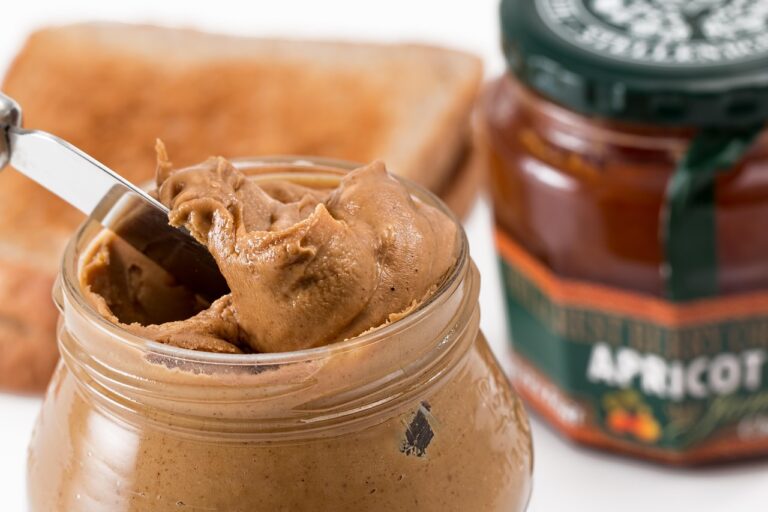
- Creamy peanut butter in 0.5-oz, 0.75-oz, and 1.12-oz packages
- Creamy peanut butter with grape jelly in 2.12-oz packages
- Creamy peanut butter with strawberry jam in 2.12-oz packages
These items were sold under multiple brands, including:
- Gordon Food Service
- US Foods
- Sysco (under the House Recipe label)
A complete list of affected lot codes is available in the FDA’s official recall notice.
Importantly, these products were largely distributed through food service channels. That means they may have been used in schools, hospitals, cafeterias, restaurants, or institutional meal programs — not just grocery store shelves.
Still, single-serve packets can sometimes make their way into household pantries, especially if purchased in bulk or included in catered events or take-home meal kits.
Where the Recalled Products Were Distributed
The recalled peanut butter was distributed in 40 states:
Alabama, Arkansas, Arizona, California, Colorado, Connecticut, Florida, Georgia, Iowa, Idaho, Illinois, Indiana, Kansas, Louisiana, Massachusetts, Maryland, Michigan, Minnesota, Missouri, Mississippi, Montana, North Carolina, North Dakota, Nebraska, New Hampshire, New Jersey, New Mexico, Nevada, New York, Ohio, Oklahoma, Oregon, Pennsylvania, South Carolina, Tennessee, Texas, Utah, Virginia, Washington, and Wisconsin.
Because the distribution footprint is so broad, this recall has national significance. If you live in any of these states — including Ohio — it’s worth taking a moment to check your pantry or workplace break room.
What You Should Do If You Have It
The FDA did not issue detailed disposal instructions. However, because this is a Class II recall involving foreign material contamination, the safest course of action is simple: do not consume the affected products.
If you have small peanut butter packets at home and you’re unsure of their source, consider discarding them. Single-serve packets often lack clear labeling once separated from bulk packaging, making it difficult to verify lot codes.
If someone has already eaten the product and experiences symptoms such as:
- Difficulty swallowing
- Persistent throat pain
- Abdominal discomfort
- Signs of choking or gagging
Seek medical attention promptly.
In most cases, ingestion of a small plastic fragment may not cause lasting harm, but any unusual symptoms should be evaluated by a healthcare provider.
If the product was served in a school, workplace, or institutional setting, administrators should follow FDA recall guidance and remove affected inventory immediately.
Understanding FDA Recall Classifications
Food recalls are categorized into three levels by the FDA:
Class I – High risk. Exposure could cause serious health problems or death.
Class II – Moderate risk. Temporary or reversible health effects are possible.
Class III – Low risk. Unlikely to cause adverse health consequences.
The current peanut butter recall 2026 falls into the middle category.
While that may sound concerning, it’s important to understand what this classification means in context. A Class II recall signals caution — not crisis. It reflects the possibility of harm, not confirmed widespread injury.
Foreign material contamination recalls are not uncommon in large-scale food manufacturing. Production facilities use filters, screening systems, and routine inspections to detect anomalies. In this case, plastic pieces were identified in a production filter, which triggered corrective action.
That detection step is part of what keeps the food supply safer overall.
Why Plastic Contamination Happens
In large food manufacturing operations, equipment components can occasionally degrade or malfunction. If a small piece breaks off during processing, it can enter the product stream.
Modern facilities use safeguards such as:
- Filtration systems
- Metal detectors and screening devices
- Quality control checks
- Batch testing
When a potential contaminant is discovered, companies initiate recalls out of caution.
Ventura Foods’ initial recall began after plastic fragments were found during routine monitoring. The FDA’s later classification formalized the recall’s risk level.
This layered system — manufacturer detection followed by federal oversight — is designed to minimize consumer exposure.
What This Means for Families
Peanut butter is a staple in many American households. It’s affordable, shelf-stable, protein-rich, and convenient — especially in single-serve form for packed lunches.
That’s why a recall like this can feel unsettling.
The key takeaway is this: the recall appears precautionary and limited to specific products and lot codes. There is no indication of widespread illness outbreaks tied to this event.
If your peanut butter comes in a traditional jar from a grocery store and is not part of the listed brands or lot codes, it is not included in this recall.
If you rely on food service settings — such as school lunches or workplace cafeterias — those facilities should already be reviewing and removing impacted inventory.
Where to Find More Information
For the most accurate and up-to-date details, consumers can consult:
- The official recall notice from the U.S. Food and Drug Administration
- Reporting from USA Today
- Health summaries from Powers Health
These sources include updated lot numbers and product identification information.
Food recalls are never convenient. But they are a normal part of modern food safety systems. In this case, the contamination was identified through internal monitoring — not widespread illness — which is reassuring.
Take a moment to check any single-serve peanut butter packets in your home. If you’re unsure about their origin, it’s safest to discard them.
Staying informed and acting promptly are two of the simplest ways to protect your family’s health.