
When most people think about sleep apnea, they think about snoring.
Loud snoring.
Interrupted breathing.
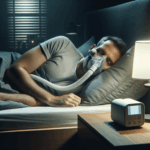
Maybe someone wearing a CPAP mask.
But sleep apnea symptoms can reach far beyond the bedroom — and many people do not realize how deeply poor sleep can affect the brain, mood, metabolism, and daily functioning.
In fact, many symptoms people blame on stress, aging, burnout, anxiety, or “just being busy” may actually be connected to disrupted sleep happening night after night.
That is one reason sleep apnea often goes unrecognized for years.
The condition does not always announce itself clearly.
Instead, it quietly affects multiple systems throughout the body at the same time.
Morning Headaches That Feel Strangely Persistent
One symptom many people do not immediately associate with sleep apnea is waking up with headaches.
These headaches are often described as:
- dull
- heavy
- pressure-like
- centered around the forehead or temples
Researchers believe nighttime oxygen drops and disrupted breathing patterns may contribute to these morning headaches in some individuals.
Poor sleep quality itself may also increase headache frequency and sensitivity.
For many people, the pattern becomes so routine they stop questioning it.
They simply assume:
“I guess I’m just not a morning person.”
Brain Fog and Difficulty Concentrating
Sleep apnea symptoms frequently affect mental clarity.
People often report:
- forgetting small details
- struggling to focus
- difficulty multitasking
- feeling mentally “slow”
- trouble staying engaged during conversations
- poor short-term memory
This happens because restorative sleep plays a major role in cognitive recovery and memory processing.
When sleep becomes fragmented night after night, the brain may struggle to fully reset and recharge.
Many people describe the feeling as:
“I’m awake, but my brain never fully turned on.”
That experience can become incredibly frustrating — especially for people trying to stay productive at work or mentally present at home.
Waking Up Anxious or With a Racing Heart
One of the more surprising sleep apnea symptoms involves the body’s stress response.
During breathing interruptions, oxygen levels can temporarily drop. In response, the body may release stress hormones and partially wake itself to restore breathing.
Some people experience this as:
- sudden awakenings
- a pounding heartbeat
- feelings of panic
- nighttime anxiety
- restlessness
Others simply wake feeling tense or emotionally on edge without understanding why.
This repeated overnight stress response may leave people feeling physically and emotionally drained by morning.
Dry Mouth and Sore Throat
Many people with sleep apnea breathe through their mouth during sleep, especially when airflow becomes restricted.
As a result, they may wake up with:
- dry mouth
- sore throat
- bad breath
- excessive thirst
Because these symptoms seem minor, people often dismiss them or fail to connect them with sleep quality.
But over time, they may become another clue pointing toward disrupted nighttime breathing.
Constant Fatigue — Even After Sleeping
One of the hallmark sleep apnea symptoms is exhaustion that does not improve much with more time in bed.
People often describe:
- sleeping eight or nine hours but still feeling exhausted
- needing large amounts of caffeine
- crashing during the afternoon
- feeling physically heavy or sluggish
- struggling to stay awake during quiet moments
This happens because sleep apnea repeatedly interrupts restorative sleep cycles.
The body technically spends time asleep, but it may never stay in deep sleep long enough to fully recover.
That distinction matters enormously.
Sleep quantity and sleep quality are not the same thing.
Irritability and Emotional Changes
Sleep affects emotional regulation far more than many people realize.
When restorative sleep is disrupted, people may become:
- more irritable
- emotionally reactive
- impatient
- anxious
- less resilient to stress
Some people simply feel “off” emotionally without understanding why.
Others notice they become frustrated more easily or feel emotionally exhausted throughout the day.
Poor sleep can quietly affect mood in ways that are difficult to recognize until the pattern becomes severe.
Nighttime Urination
Another surprisingly common sleep apnea symptom is waking repeatedly to urinate during the night.
This symptom often surprises people because it does not initially seem related to breathing or sleep quality.
But researchers believe sleep apnea may affect hormone regulation and fluid balance during sleep, contributing to nighttime bathroom trips in some individuals.
Repeated awakenings can then further fragment sleep quality, creating another cycle of disruption and exhaustion.
Low Motivation and Reduced Energy
Sleep apnea symptoms do not always feel dramatic.
Sometimes they appear as:
- low motivation
- lack of energy
- reduced enthusiasm
- feeling mentally “flat”
- decreased interest in activities
People may assume they are simply stressed, burned out, or aging.
But chronic poor sleep can significantly affect physical energy, mental sharpness, and emotional engagement over time.
That is one reason untreated sleep apnea can quietly affect overall quality of life.
Why So Many Symptoms Get Misattributed
One reason sleep apnea often goes undiagnosed is because the symptoms appear disconnected from one another.
A person may experience:
- headaches
- fatigue
- brain fog
- anxiety
- poor sleep
- irritability
…without realizing those issues may share a common root cause.
Instead, people often blame:
- stress
- aging
- work schedules
- parenting
- burnout
- “just life”
And because sleep apnea happens during sleep, many people remain unaware of what their body is experiencing overnight.
Sleep Affects Nearly Every System in the Body
Modern sleep medicine increasingly recognizes that sleep is not passive downtime.
Sleep affects:
- hormone regulation
- memory processing
- metabolism
- cardiovascular health
- mood
- stress response
- immune function
When sleep repeatedly becomes fragmented, the effects can ripple throughout the body in ways that feel surprisingly broad and difficult to explain.
That is why sleep apnea symptoms often seem unrelated at first glance.
The condition affects recovery itself.
Final Thought
Sleep apnea is far more than loud snoring or occasional tiredness.
For many people, it quietly shapes how they think, feel, function, and recover every single day.
And because the symptoms often appear gradually and across multiple areas of life, people may not realize how connected those experiences truly are.
Understanding the broader picture of sleep apnea symptoms can help people recognize patterns they may have overlooked for years — and better understand why poor sleep can affect far more than nighttime rest alone.