
For decades, cancer screening has worked one organ at a time.
A mammogram looks for breast cancer. A colonoscopy screens for colorectal cancer. A Pap test helps detect cervical cancer. Low-dose CT scans may identify lung cancer in certain high-risk individuals.
Each test focuses on a specific disease.
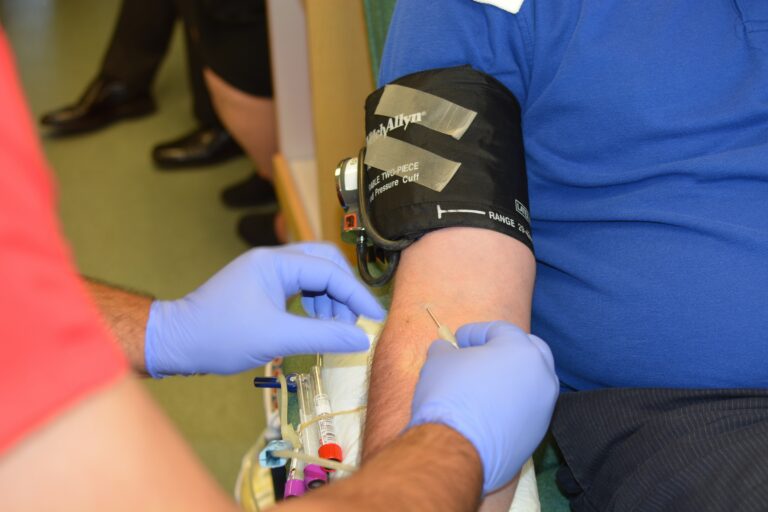
But what if a single blood draw could screen for dozens of cancers at once?
That’s the promise behind a new generation of blood tests known as multi-cancer early detection (MCED) tests. Researchers believe these tests could someday transform cancer screening by identifying signs of multiple cancers before symptoms appear—potentially including cancers that currently have no routine screening test.
It’s an exciting possibility.
But experts say it’s important to understand both the promise and the limitations of this rapidly developing technology.
What Is an MCED Test?
MCED stands for multi-cancer early detection.
Instead of looking directly at one organ, these blood tests search for tiny biological signals that cancer cells may release into the bloodstream. These signals can include fragments of DNA, proteins, or other molecular markers that may indicate cancer is present.
Some tests are designed to detect signals associated with more than 50 different types of cancer.
In some cases, they can also predict where in the body the cancer is most likely located, helping physicians determine what follow-up testing may be needed.
Why Researchers Are So Interested
The greatest strength of MCED testing may be its ability to identify cancers that currently have no standard screening program.
Today, routine screening exists for only a handful of cancers, including breast, cervical, colorectal, and certain lung cancers.
Many of the deadliest cancers—including pancreatic, ovarian, liver, and some esophageal cancers—are often discovered only after symptoms develop, when treatment becomes more difficult.
Researchers hope MCED tests could eventually help detect some of these cancers much earlier, when more treatment options may be available.
Why Isn’t Everyone Getting One Already?
It’s a fair question.
The technology is impressive, but experts say an important piece of evidence is still missing.
Researchers know these tests can sometimes detect cancer signals.
What they don’t yet know is whether using them routinely will reduce cancer deaths across large populations.
That distinction is critical.
A screening test must do more than find disease—it must improve outcomes enough to outweigh potential harms, such as false positives, unnecessary procedures, anxiety, and overdiagnosis. Large clinical trials are still underway to answer those questions.
A Positive Test Doesn’t Mean You Have Cancer
One of the biggest misconceptions about MCED testing is that a positive result equals a cancer diagnosis.
It doesn’t.
These tests are designed to detect a possible cancer signal—not confirm the presence of cancer.
If a blood test identifies a concerning signal, doctors typically recommend additional testing, which may include imaging studies, laboratory tests, or a biopsy.
Likewise, a negative result doesn’t guarantee that cancer isn’t present.
Like every screening tool, MCED tests can produce false-positive and false-negative results.
They Don’t Replace Traditional Screening
Experts emphasize another important point: these blood tests are not a replacement for recommended cancer screenings.
If you’re due for a mammogram, colonoscopy, cervical cancer screening, or another recommended test, you should still receive it.
Instead, researchers envision MCED tests being used alongside existing screening methods—not instead of them.
That combined approach could eventually help identify a wider range of cancers while preserving the proven benefits of current screening programs.
What About Cost?
Another challenge is access.
Most MCED tests are not yet routinely covered by health insurance, and many cost hundreds of dollars out of pocket.
Researchers, healthcare organizations, and policymakers are continuing to study how these tests should be used, who might benefit most, and whether broader insurance coverage is appropriate if future research confirms meaningful health benefits.
The Future of Cancer Screening?
Cancer care has changed dramatically over the past several decades.
Treatments have become more personalized. Survival rates have improved for many cancers. Screening has helped reduce deaths from several common cancers.
MCED testing may represent the next major step—but it isn’t there yet.
Scientists remain optimistic, while also emphasizing the importance of careful research before widespread adoption.
That’s a balance worth remembering.
Medical breakthroughs often arrive gradually, not all at once.
For now, multi-cancer blood tests offer something powerful: the possibility of detecting cancers earlier than ever before.
Whether they ultimately change the future of cancer care is a question researchers are working hard to answer.